(see english below)

Estivemos pela manhã na Fundação Vitória Amazônica, onde fomos recebidas pelo Coordenador Executivo Carlos Durigan. Ele nos mostrou todos os projetos da fundação relacionados à design e à produção de objetos, dando dicas preciosas para nossa viagem. Além disso vimos alguns objetos que estavam na sede da Fundação, como a buzina indígena da foto abaixo.

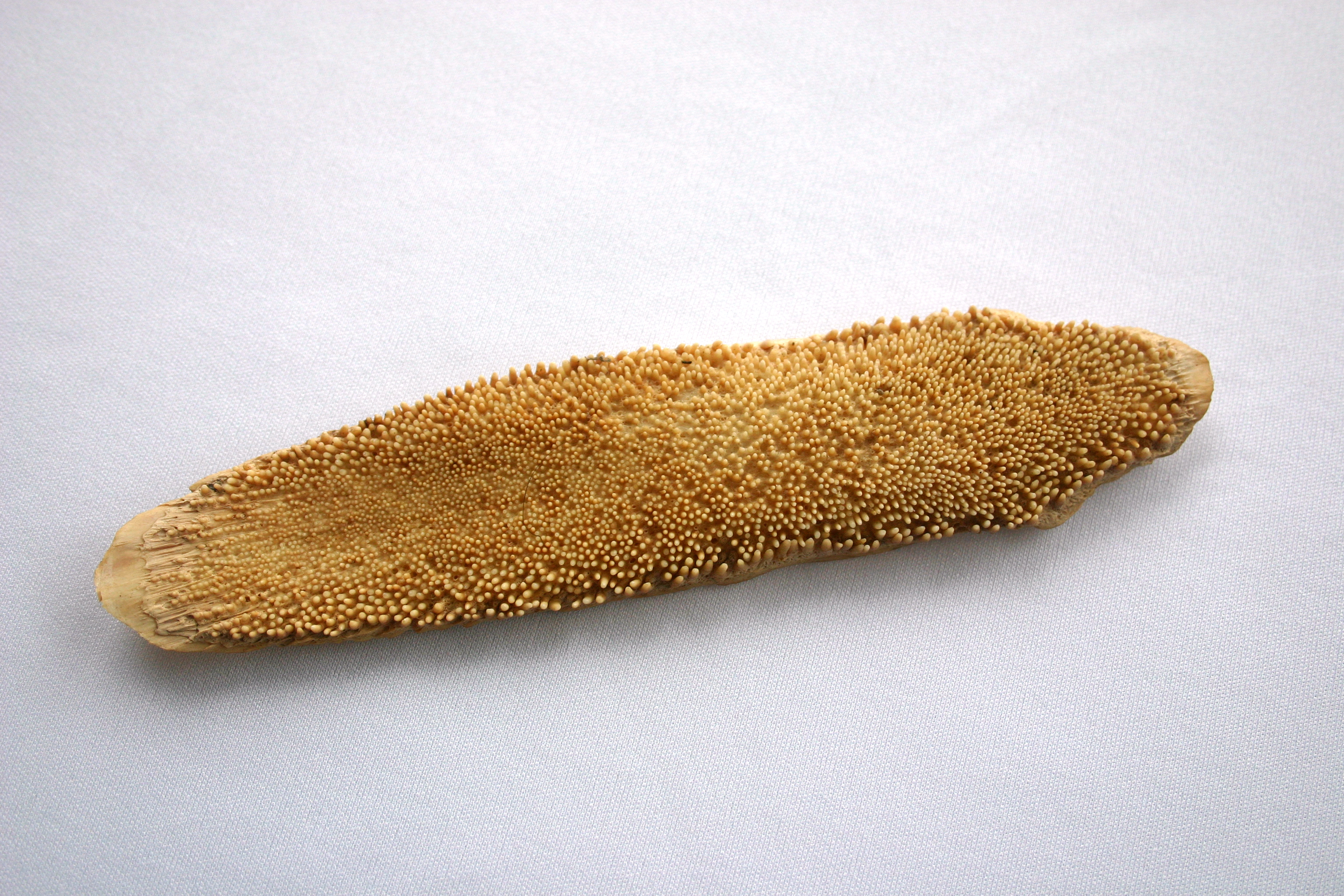
À tarde, fomos ao centro. Visitamos o Museu Amazônico, onde fomos calorosamente recebidas pela diretora Maria Helena Matos. Depois passamos pelo Mercado de Manaus, onde vimos um objeto que o Jimmy Christian – participante do workshop – havia descrito: é uma lixa, muito usada para ralar a barra de guaraná. A lixa é a língua do pirarucu, um peixe típico local.

À noite encontramos três biólogos pesquisadores do INPA (Instituto Nacional de Pesquisas da Amazônia), que vivem em Manaus há anos. Entre muitas conversas, ficamos animadas em saber que as pessoas, em seu cotidiano, realmente usam muitos dos objetos que temos observado.
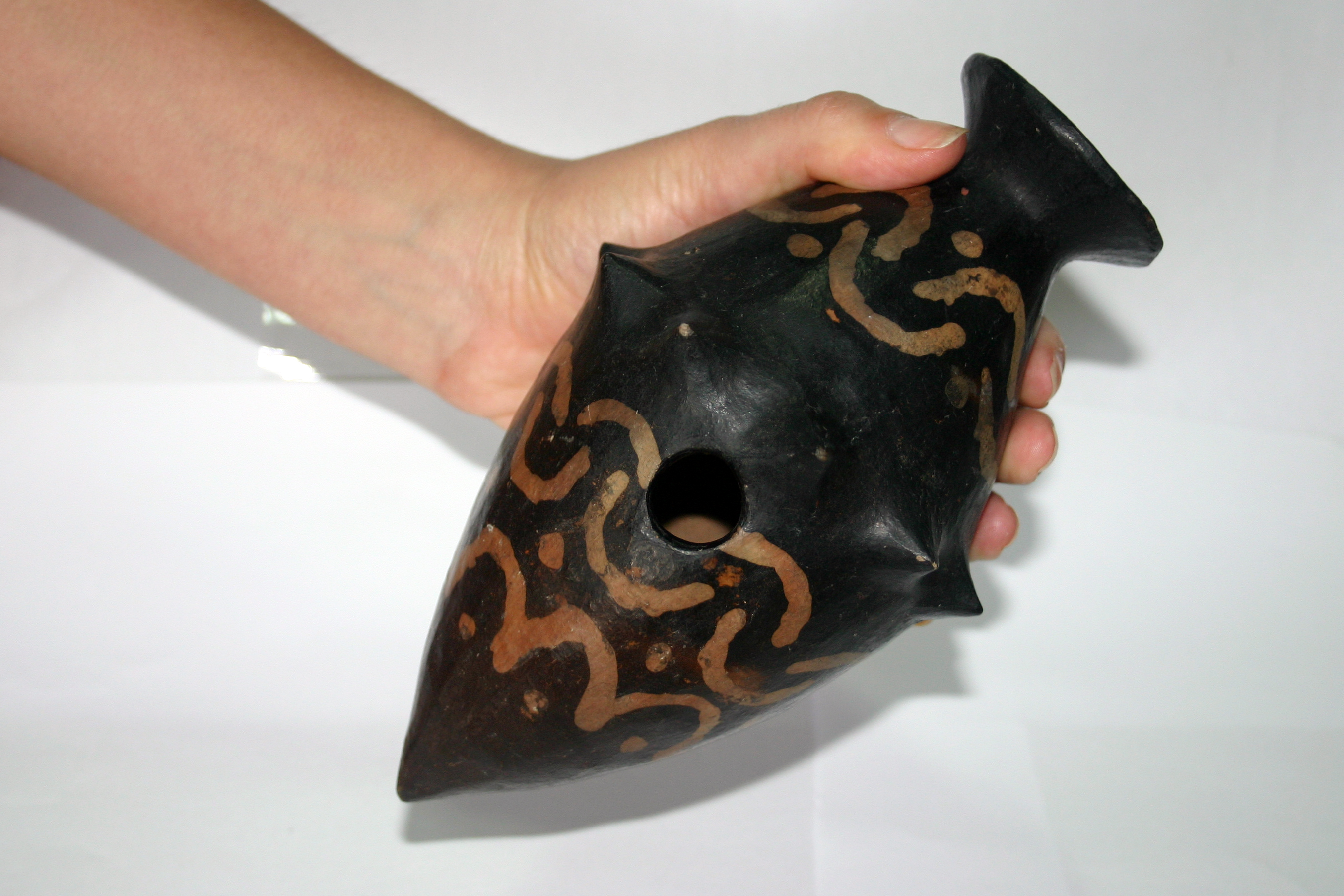
 

In the morning we were at Fundação Vitória Amazônica, where the executive coordinator Carlos Durigan received us. He showed all the projects related to design and object production they have, and gave us a lot of valuable tips for our expedition. Besides that, we saw some objects that were at their place, such as the indigenous bell in the photo above.

In the afternoon, we went to the center of Manaus. We visited the Museu Amazônico, where we had a nice welcome from director Maria Helena Matos. Later on, we went to Manau’s market, where we saw an object previously described to us by Jimmy Christian – one of the workshop’s participant. It is a sand, used to waste a guaraná bar to turn it into powder. The sand is actually the tongue of the pirarucu, a huge local fish.

At night we met three biologist researchers at INPA (National Institute of Amazon Research), who live in Manaus for a long time. Among many subjects, we where excited to know that people, in their daily lives, really use many of the objects we’ve been observing.
(see english below)

Nesta quarta o MUSA transformou-se num verdadeiro ateliê! Fizemos objetos a partir dos materiais coletados ontem na Floresta Amazônica e cada participante foi capaz de desenvolver sua ideia na direção que mais lhe interessou, como por exemplo o conceito, a forma ou a funcionalidade. Gostaríamos de agradecer o empenho dos participantes e a hospitalidade do MUSA, onde realmente nos sentimos em casa. O workshop em Manaus foi um sucesso!

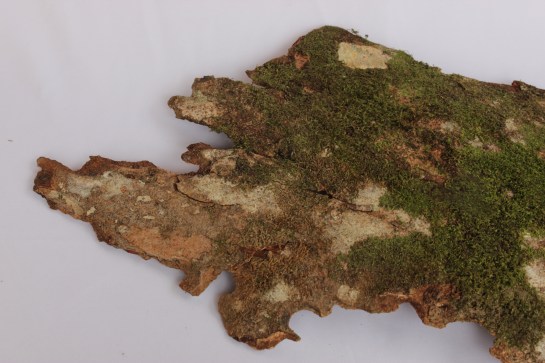
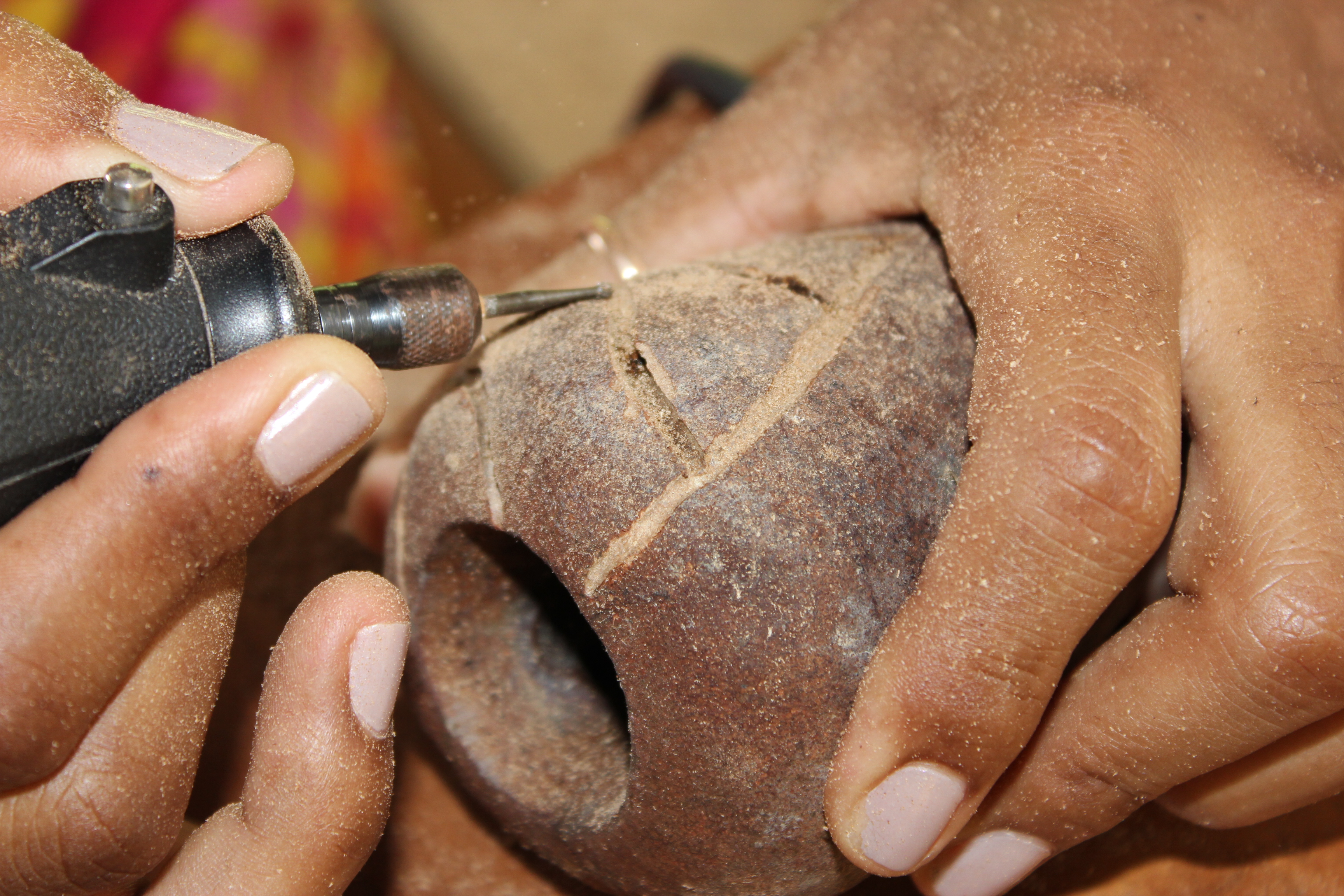
Veja abaixo imagens de um dos materiais coletados na Floresta e do trabalho no workshop (foto cedida por Vanessa Gama). Confira mais fotos nos álbuns Making Of e Objetos na nossa página no Facebook.


This wednesday MUSA turned into a real atelier! We made objects out of the materials we collected in the Amazon Forest, and each participant was able to develop an idea in the direction that most interested he/she, for example the concept, the form or the function. We would like to thank the effort of the participants and the hospitality of MUSA, where we could really feel at home. The workshop in Manaus was a success!

See above images of one of the materials collected in the Forest and the work at the workshop (picture from Vanessa Gama). Check out more photographs in the albums Making Of and Objects on our Facebook page.

(see english below)

O workshop Objetos da Floresta de hoje aconteceu dentro da Floresta. Fomos à Reserva Ducke, ver o “museu vivo”: MUSA. Durante a trilha, os participantes observaram os diversos aspectos da floresta, percebendo possibilidades de design. A partir de elementos naturais encontrados no passeio de hoje, iremos amanhã criar protótipos e discutir as oportunidades que percebemos.

Veja a seguir:

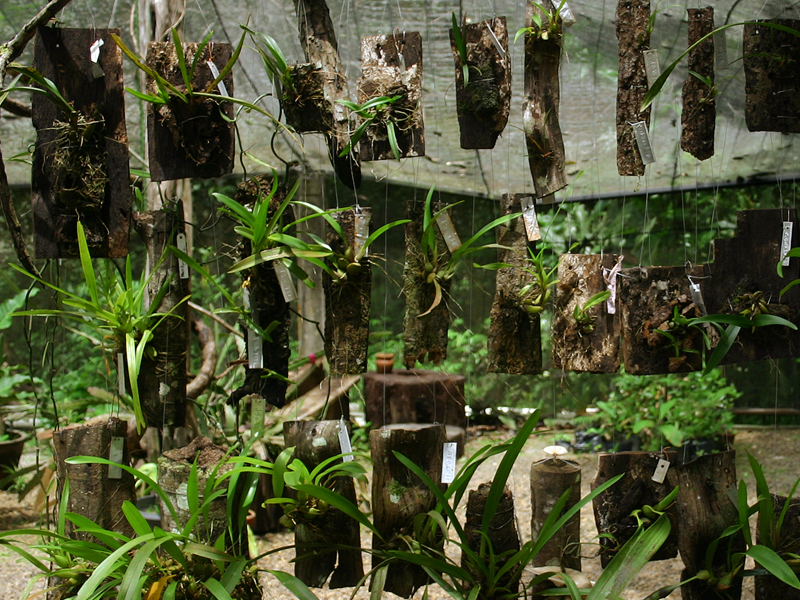
1. Fragmentos de diferentes troncos de árvores, usados como vasos para  orquídeas;

2. O breu branco jorrando do caule, uma textura de resina com cheiro muito bom;

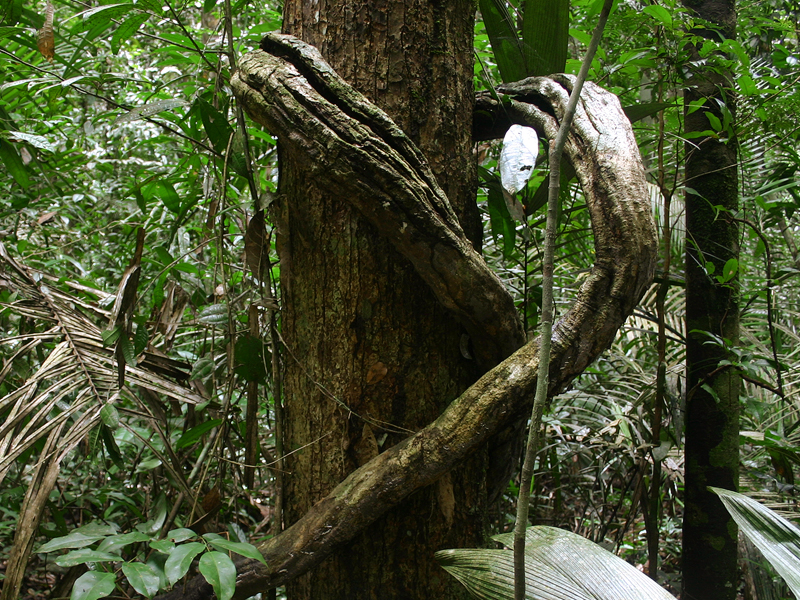
3. O “abraço da morte” de um cipó numa árvore, que no futuro será estrangulada por ele.

Gostou? Confira outros olhares fotográficos no nosso álbum no Facebook!


The workshop Objects of the forest today happened inside the forest. We went to the Reserva Ducke, to see the “live museum” MUSA. During the trail, the participants observed many aspects of the forest, noticing the design possibilities. Having as a starting point the natural elements found today, tomorrow we will create prototypes and discuss the possibilities we enview.

See above:

1. Fragments of different tree trunks used as “vases” for the orchides;

2. The “breu branco” (a white and fragrant resin) squeezing out of the tree, a kind of resin texture with a very good scent;

3. The “death hug” of a vine on a tree, which in the future will be strangled by it.

Liked it? Check out other photographs on our album on Facebook!

(see english below)

Hoje foi o primeiro dia de workshop no Musa – Museu da Amazônia. Para começar a conversa, pedimos que cada participante levasse um objeto com o qual se identificasse. Destacamos aqui o objeto levado por Ennio Candotti, diretor geral do museu. Como aparece na foto, o objeto é um grande novelo de corda de fibra natural. Ele nos contou que usa o novelo para não se perder ao caminhar por partes da floresta sem trilha demarcada. A ponta da corda é amarrada numa árvore e ele vai desenrolando conforme caminha. Este objeto surge a partir de uma necessidade do contexto da floresta e é feito com elementos dela mesma.


Today was the first day of our workshop at MUSA – Museum of the Amazon. In order to help us start the conversation, we asked the participants to bring and present an object which identifies he/she. This is the object brought by Ennio Candotti, MUSA’s director. As the picture shows, it is a big thread made out of natural fiber. He told us he uses it to keep track in new trails inside the forest: the end of the thread is attached to a tree and he unfolds it while he walks in these new paths. So this object comes from a need that exists in the forest context, and at the same time it is also made out from its local materials.

(see english below)

Hoje foi o nosso primeiro dia em Manaus, aproveitamos para conhecer a cidade. Passamos por uma feira de rua que acontece todo domingo no centro. Vimos o famoso Teatro Amazonas e demos uma volta no porto, onde uma chuva torrencial nos mostrou a força da natureza na Amazônia pela primeira vez.
Estamos num hotel muito tranquilo e bacana, com bastante espaço para trabalhar. Acabamos de fazer os últimos ajustes para o workshop de amanhã.
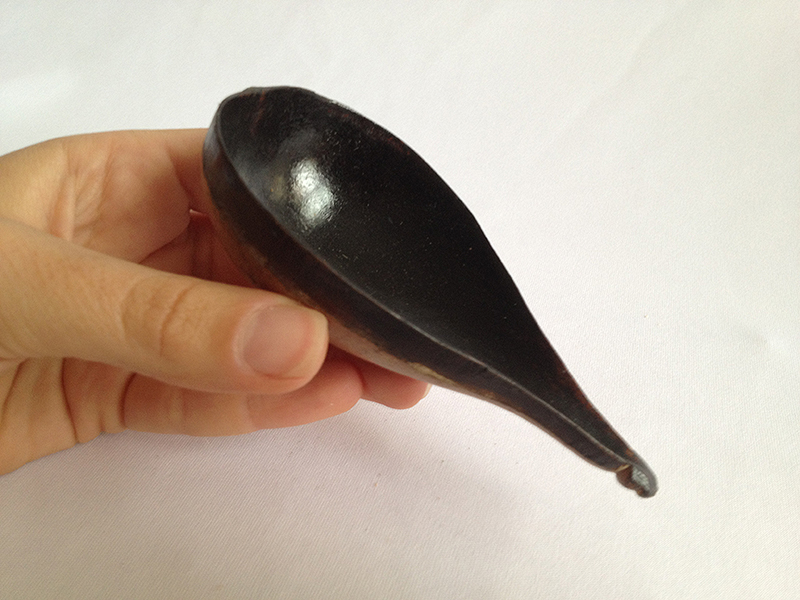
Um objeto em especial chamou nossa atenção: a mamadeira indígena. As mães as usam para verter leite ou papinha na boca dos bebês.


Today was our first day in Manaus, and we took some time to stroll around the city. In the center, we were in a street market that happens every Sunday, we saw the famous Amazon Theater and also walked around the harbor, where a great storm showed us the power of Amazon’s nature for the first time.
We are staying in a very quiet and cozy hotel, with a lot of space to work. At the moment we are making the final adjustments for tomorrow’s workshop.
There’s an object that particularly caught our attention today: an indigenous baby bottle. Mothers use it to pour milk or baby food in the mouth of their babies.