Archive

Author Archives: andreabandoni

(see english below)

Novo Airão é uma cidade charmosa, simples e bastante preservada. Predominam ainda casas de madeira e há uma sensação provinciana no ar, dando a impressão de estarmos num recanto aconchegante em pleno coração da maior floresta do mundo.

Visitamos pela manhã a AANA (Associação dos Artesãos de Novo Airão), onde fomos recebidas pelo Erivaldo, um dos coordenadores. Esta associação, que surgiu por meio de um projeto da Fundação Vitória Amazônica (já citada aqui), é especializada em fibras, sendo quase todas as participantes mulheres.

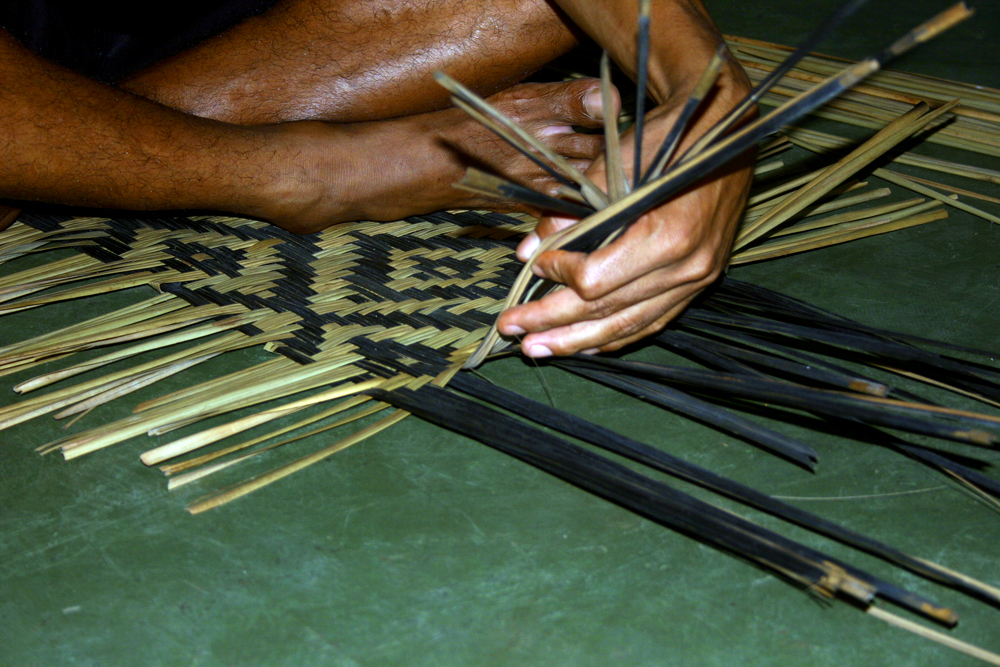
Além de mostrar o belo galpão da Associação, o Erivaldo fez uma demonstração completa do processo de trabalho dos artesãos desde a coleta do material natural – o caule do arumã – até o trabalho de trançar as fibras formando desenhos.

À tarde estivemos na FAM (Fundação Almeida Malaquias) fundada pelo Seu Miguel, com quem conversamos em Manaus. Fomos recebidas pelo Jean Daniel, coordenador da Fundação, num gracioso “complexo” de galpões entre as árvores. O trabalho da FAM começou muito ligado ao artesanato, reaproveitando restos de madeiras preciosas da Amazônia provenientes da construção de embarcações. A Fundação conta com uma oficina de madeira incrível, onde além deste trabalho, é realizado o treinamento de profissionais.

Jean contou-nos dos desafios que tem como empreendedor e das adaptações que teve de ir fazendo com o tempo. A FAM pretende que seus trabalhadores sejam autônomos e que tornem-se verdadeiros gestores, por isso tem projetos de educação ecológica infantil, além de educação básica de adultos e muitos outros projetos “adjacentes” que acabam dando uma dimensão bem mais profunda ao projeto.

Fica claro que ambos os projetos têm forte cunho social, e que o artesanato não só é fonte de renda, como também é um agente de mudanças para a região de Novo Airão.

Abaixo imagens do Erivaldo trançando o arumã (AANA) e o jardim de entrada da Fundação Almerinda Malaquias (FAM).
 

Novo Airão is a charming, simple and preserved city. There are many wooden houses and there’s a “countryside” feeling in the air, giving us the impression to be in a cozy place in the very heart of the biggest forest of the world.

In the morning we visited AANA (Association of the Artisans of Novo Airão), where we were received by Erivaldo, one of the coordinators. This association, which started through a project of Fundação Vitória Amazônica (already mentioned here), is specialist in fibers, and almost all participants are women.

Besides showing us the beautiful space of the Association, Erivaldo made a complete demonstration of the work process of the craftsmen, from collecting the natural material – the trunk of the arumã – till the weaving of the fibers with drawings. We shooted the conversation and soon there will be a video available here.

In the afternoon we were at FAM (Almerinda Malaquias Foundation) founded by Mr. Miguel Rocha, to whom we have spoken in Manaus. We talked to the main coordinator, Jean Daniel, in a lovely “complex” among trees and workshops. FAM’s work started very connected to crafts by reusing precious Amazonian wood pieces that were leftovers from the making of boats. FAM hosts an amazing wood workshop, where besides the normal production there’s also the training of professionals.

Jean told us abou the challenges he has as a manager and all adaptations he made along the years. FAM intend that its workers become autonomous craftsmen and administrators, and in order to achieve that, they have programs such as ecological education for kids, basic education for adults and much more “adjacent” projects that amplify the basic idea of the Foundation.

It is clear that both FAM and AANA have a very strong social aspect, and that craft is not only a source of income, but also a change agent at Novo Airão.

Above an image of Erivaldo weaving the arumã (at AANA) and Athe entrance garden of the Almerinda Malaquias Foundation (FAM).

(see english below)

Passamos o dia novamente nas redondezas do Anavilhanas Jungle Lodge. Pela manhã, fizemos uma caminhada com o guia Leandro, um índio que nos contou detalhes curiosos e interessantes, tanto da floresta quanto da sua vida na aldeia. Percebemos que o seu olhar é bastante diferente, por exemplo, de guias mais técnicos: ele tem maior conhecimento prático por ter crescido e vivenciado a floresta de modo mais intenso, e também tem clareza sobre a importância da Amazônia para o mundo.

Leandro nos disse que a fruteira que encontramos ontem (veja foto aqui) é usada pelos índios como berço de nenê ou brinquedo de criança, como barco ou balanço. Ficamos muito impressionadas com o que acontece nos rituais indígenas de passagem da infância para idade adulta, como colocar a mão no formigueiro (que ele demonstrou – em breve postaremos o vídeo), subir em árvores para tirar mel da colmeia e ter os olhos feridos com pimenta, sendo que em nenhum momento podem demonstrar sofrimento. As garotas, aos menstruar, ficam 40 dias reclusas no escuro tecendo esteiras, e ao sair têm todo seu cabelo arrancado.

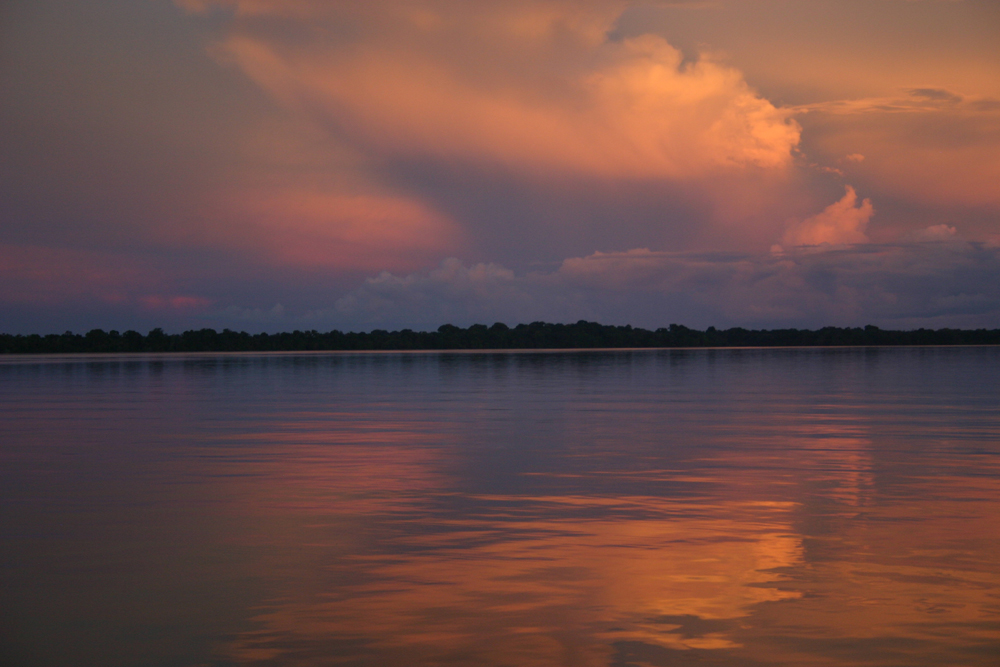
À tarde conhecemos mais de Anavilhanas indo para uma pescaria de piranhas. O Rio Negro está muito cheio e a sua água escura e calma cria um efeito de espelho, duplicando toda a paisagem de maneira incrível.

Descobrimos um “jogo” natural: é a cuia de macaco. A cuia carrega sementes de formas irregulares que ficam bem encaixadas dentro dela. Ela parece uma verdadeira caixinha, e suas sementes são como peças de um quebra-cabeça 3D.


We spent the day around the Anavilhanas Jungle Lodge. In the morning, we went for a walk with the guide Leandro, an Indian who told us curious things not only about the forest, but also about his life in the indigenous camp. We noticed that his point of view is quite different from a trained guide: since he grew up and lived in the forest, he has more practical knowledge about it, and he is also very aware about the importance of the Amazon in the world context.

Leandro told us that the fruitbowl we posted yesterday (see the picture here) is used by the Indians as a baby cradle or a child’s toy, such as a swing or a boat. We were very impressed with the stories of what happens during the Indian rituals concerning the passage of the childhood to adult age, such as putting the hand in an ant’s nest (he demonstrated it – we will post a video soon), climbing a tree to take honey from the bee’s nest and having the eyes hurt with pepper, everything without showing any pain. For the girls, when they have their periods, the stay 40 days closed in the dark making mats, and when they get out they have all their long hair taken out of their heads.

In the afternoon we got to know Anavilhanas a bit more: we went fishing piranhas. The Negro River is very full and its dark and calm water creates a mirror effect, duplicating the whole landscape in an incredible way.

We discovered a natural puzzle: it is called monkey’s bowl. The bowl carries seeds with irregular shapes that are perfectly positioned inside of it. It looks like a real box, and its seeds are like parts of a 3D puzzle.

(see english below)

Depois de 6 dias em Manaus, finalmente chegamos em Novo Airão. Passamos rapidamente pela cidade e em seguida fomos levadas de barco ao hotel que está nos apoiando, Anavilhanas Jungle Lodge. Nesses primeiros 5 minutos de travessia, já pudemos sentir a beleza natural da região: a cor escura e avermelhada das águas do rio Negro e a grande quantidade de ilhas, compridas e com uma massa de vegetação muito vede,  densa e alta. Chegando no hotel, a mesma impressão positiva: as instalações construídas como cabanas de madeira, de visual simples e agradável, com materiais naturais; o serviço correto e discreto; e a organização de pequenos detalhes que dão charme ao atendimento. Por exemplo, os quartos são identificados com nomes de animais da fauna amazônica. Na hora das refeições, as mesas do restaurante são reservadas para cada quarto e identificadas por uma pequena escultura em madeira do animal correspondente. Nosso quarto é o tamanduá.

Ao longo da tarde separamos alguns materiais da floresta: sementes de formas variadas e uma fruteira feita de material colhido do chão, uma casca de palmeira que carrega os frutos da planta. Mais tarde, participamos de um passeio de barco para ver os animais da floresta em seu habitat natural, um verdadeiro safári, só que noturno! O guia e o barqueiro, usando apenas uma lanterna potente, conseguem ver coisas que nós jamais veríamos. O guia vai apontando o facho de luz para a mata, enxerga os animais e nos aproximamos, passando no meio do igarapé, já que é época de cheia. Vimos bem de perto uma aranha caranguejeira; uma preguiça jovem e pequena, toda enrolada, pendurada de ponta-cabeça num galho; quatro ou cinco filhotes de jacaré, de uns 50 a 60 centímetros de comprimento; uma cobra enrolada no galho de uma árvore; um porco-espinho correndo bem no alto da copa de outra árvore; uma preguiça grande, adulta, bem no alto, acomodada entre dois galhos. Outro momento impressionante foi quando ficamos com o barco parado, num meandro do rio cercado de mata, com as luzes apagadas, apenas ouvindo os sons da floresta…  sensação arrepiante.


After 6 days in Manaus, we finally arrived at Novo Airão. We passed very quickly through the city and went to a small harbor, where we were taken to the hotel which supports us, Anavilhanas Jungle Lodge. In those 5 minutes of boat trip, we already could notice the natural beauty of the place: the dark, reddish color of the Negro river water and the huge amount of long islands with very green, tall and dense vegetation. In the hotel we had the same positive impression: the buildings are wooden lodges made out of natural materials, with a simple yet very cozy visual; the service is correct and discrete; and the organization gives a lot of charm to the attendants. The rooms, for example, are identified by the names of local animals. The tables of the restaurant are reserved for each room and the host identifies it by the small wood statue of the room’s animal. Our room is the tamanduá.

In the afternoon we separated some Forest materials we found: some seeds with strange shapes and a totally natural fruitbowl. Later on, we took part in a boat expedition to see th forest animals in its natural habitat, actually a real safari, but at night! The guide and the boat man have just a good flashlight and with it they can see things we would never see. The guide points the light to the trees, he sees the animals and we get closer. We could see one big spider, two slots, four or five alligators, one porcupine, some night birds and a big snake. A very impressive moment was when they stopped the boat in small part of the river surrounded by trees: with the lights off we could only hear the loud sounds of the forest…

(see english below)

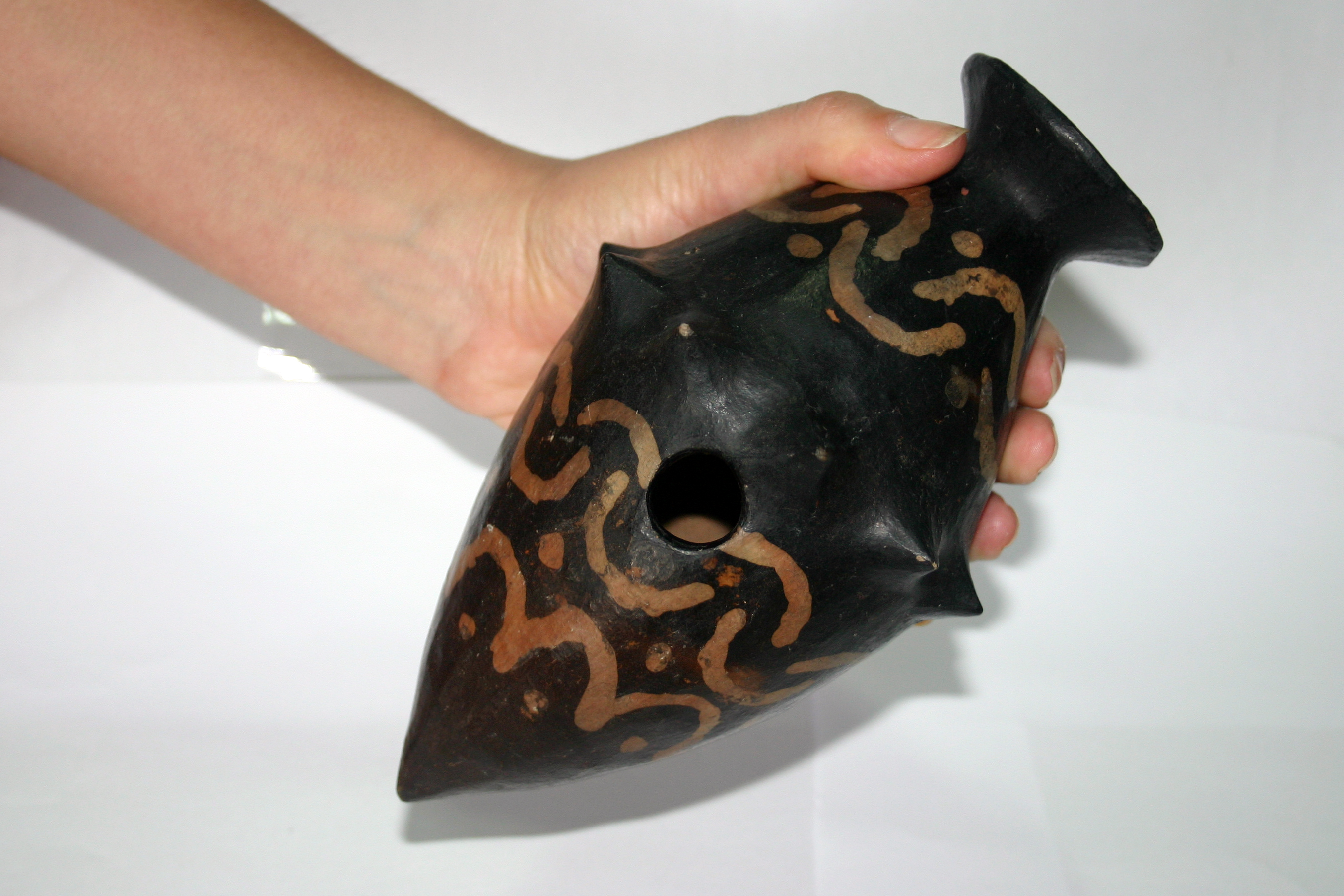
Estivemos pela manhã na Fundação Vitória Amazônica, onde fomos recebidas pelo Coordenador Executivo Carlos Durigan. Ele nos mostrou todos os projetos da fundação relacionados à design e à produção de objetos, dando dicas preciosas para nossa viagem. Além disso vimos alguns objetos que estavam na sede da Fundação, como a buzina indígena da foto abaixo.

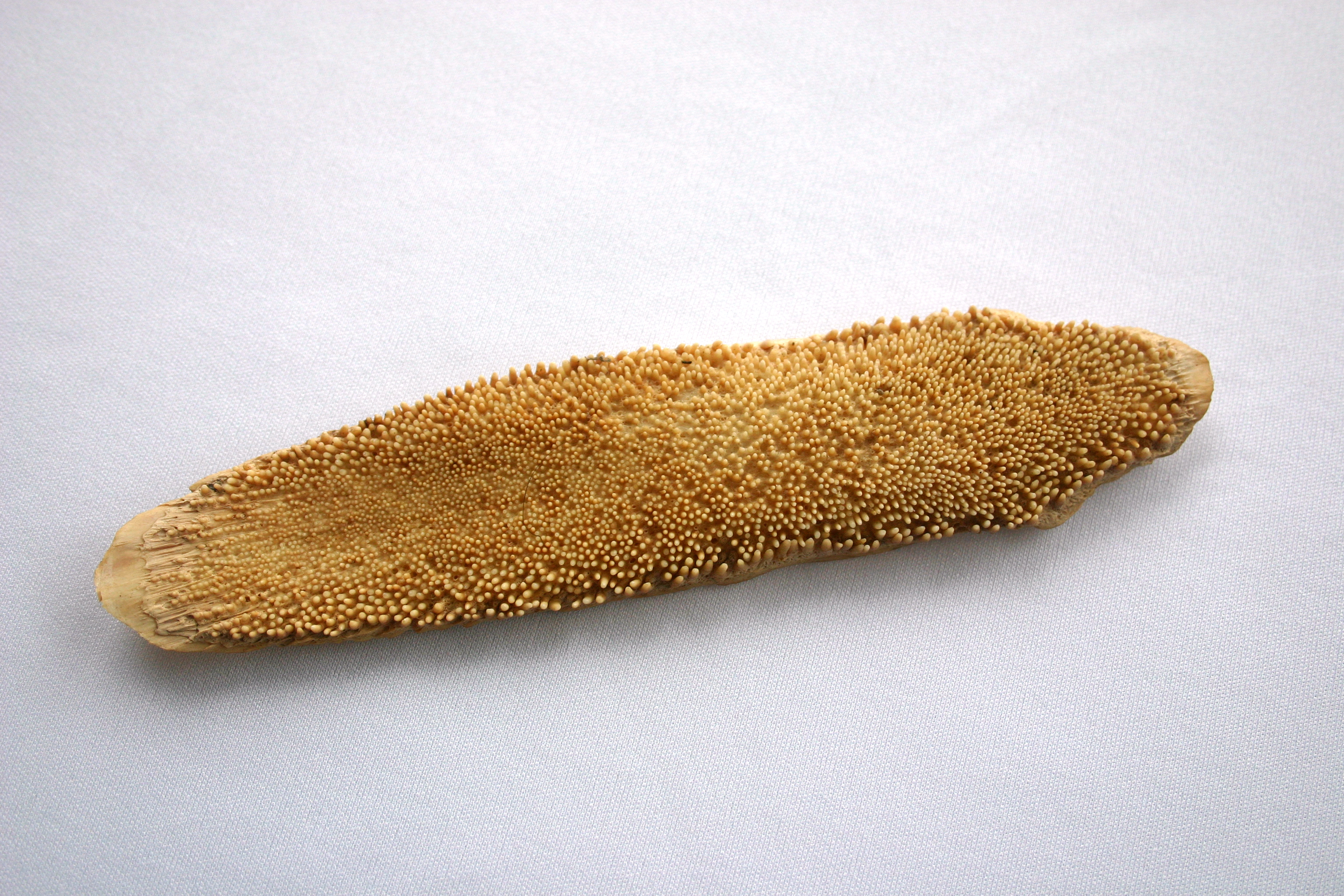
À tarde, fomos ao centro. Visitamos o Museu Amazônico, onde fomos calorosamente recebidas pela diretora Maria Helena Matos. Depois passamos pelo Mercado de Manaus, onde vimos um objeto que o Jimmy Christian – participante do workshop – havia descrito: é uma lixa, muito usada para ralar a barra de guaraná. A lixa é a língua do pirarucu, um peixe típico local.

À noite encontramos três biólogos pesquisadores do INPA (Instituto Nacional de Pesquisas da Amazônia), que vivem em Manaus há anos. Entre muitas conversas, ficamos animadas em saber que as pessoas, em seu cotidiano, realmente usam muitos dos objetos que temos observado.


In the morning we were at Fundação Vitória Amazônica, where the executive coordinator Carlos Durigan received us. He showed all the projects related to design and object production they have, and gave us a lot of valuable tips for our expedition. Besides that, we saw some objects that were at their place, such as the indigenous bell in the photo above.

In the afternoon, we went to the center of Manaus. We visited the Museu Amazônico, where we had a nice welcome from director Maria Helena Matos. Later on, we went to Manau’s market, where we saw an object previously described to us by Jimmy Christian – one of the workshop’s participant. It is a sand, used to waste a guaraná bar to turn it into powder. The sand is actually the tongue of the pirarucu, a huge local fish.

At night we met three biologist researchers at INPA (National Institute of Amazon Research), who live in Manaus for a long time. Among many subjects, we where excited to know that people, in their daily lives, really use many of the objects we’ve been observing.

(see english below)

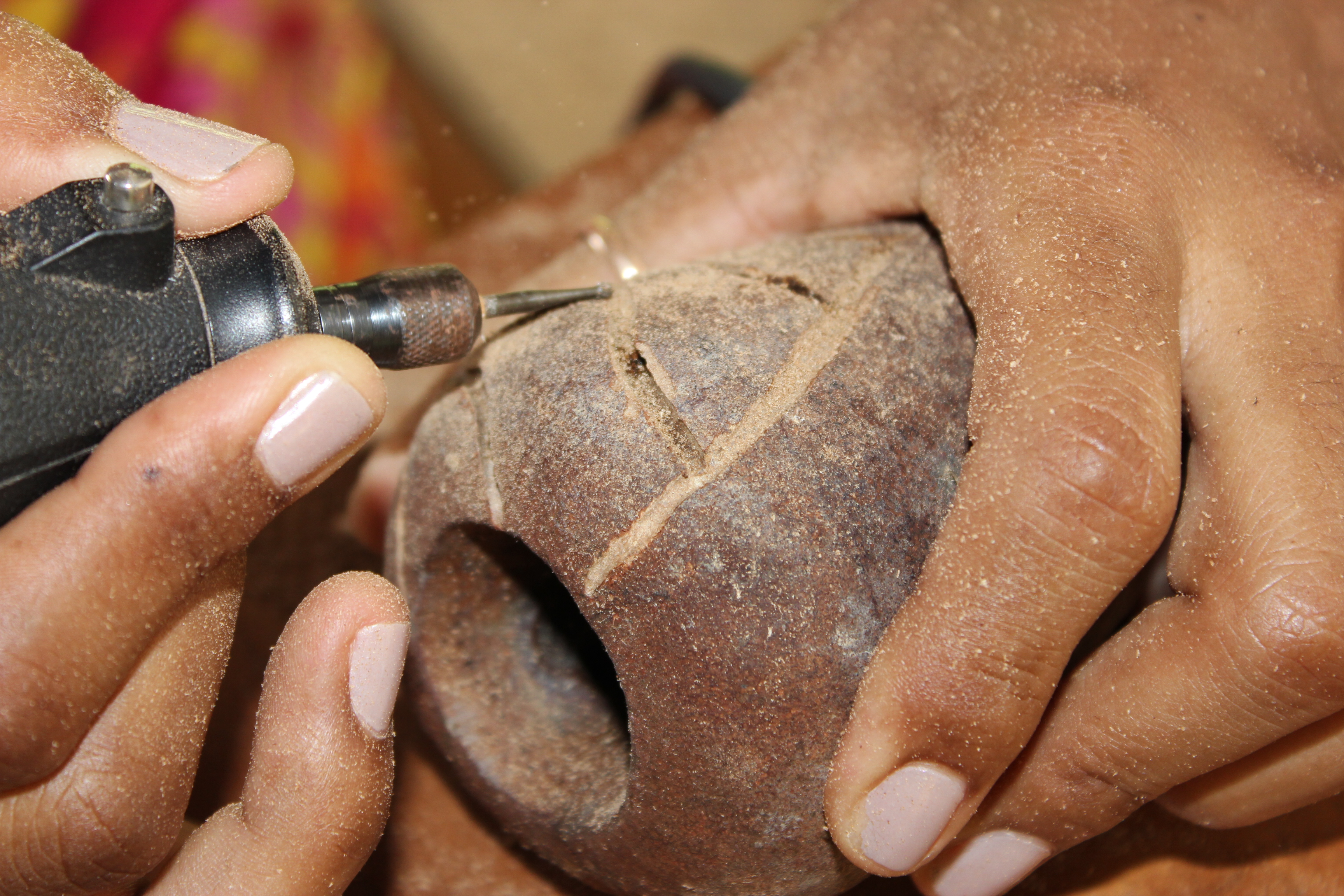
Nesta quarta o MUSA transformou-se num verdadeiro ateliê! Fizemos objetos a partir dos materiais coletados ontem na Floresta Amazônica e cada participante foi capaz de desenvolver sua ideia na direção que mais lhe interessou, como por exemplo o conceito, a forma ou a funcionalidade. Gostaríamos de agradecer o empenho dos participantes e a hospitalidade do MUSA, onde realmente nos sentimos em casa. O workshop em Manaus foi um sucesso!

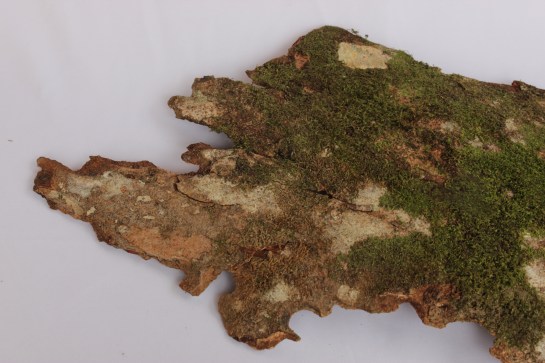
Veja abaixo imagens de um dos materiais coletados na Floresta e do trabalho no workshop (foto cedida por Vanessa Gama). Confira mais fotos nos álbuns Making Of e Objetos na nossa página no Facebook.


This wednesday MUSA turned into a real atelier! We made objects out of the materials we collected in the Amazon Forest, and each participant was able to develop an idea in the direction that most interested he/she, for example the concept, the form or the function. We would like to thank the effort of the participants and the hospitality of MUSA, where we could really feel at home. The workshop in Manaus was a success!

See above images of one of the materials collected in the Forest and the work at the workshop (picture from Vanessa Gama). Check out more photographs in the albums Making Of and Objects on our Facebook page.

(see english below)

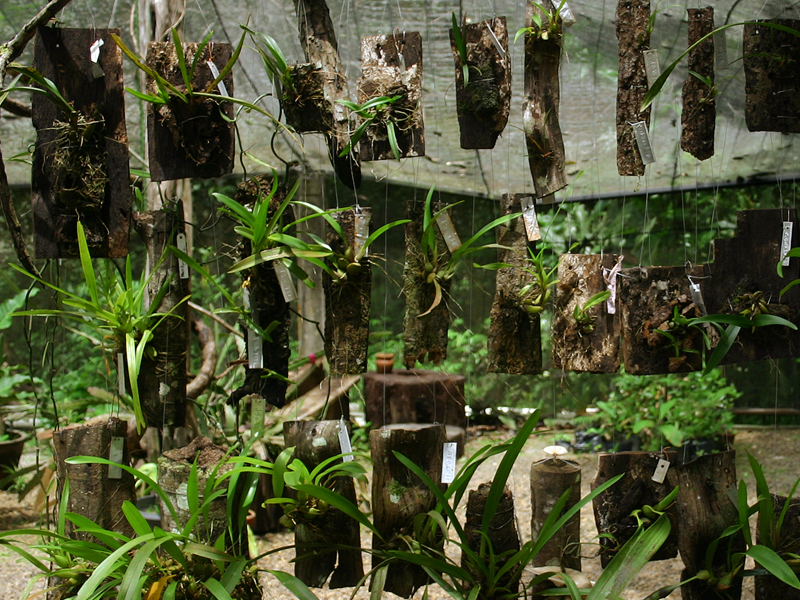
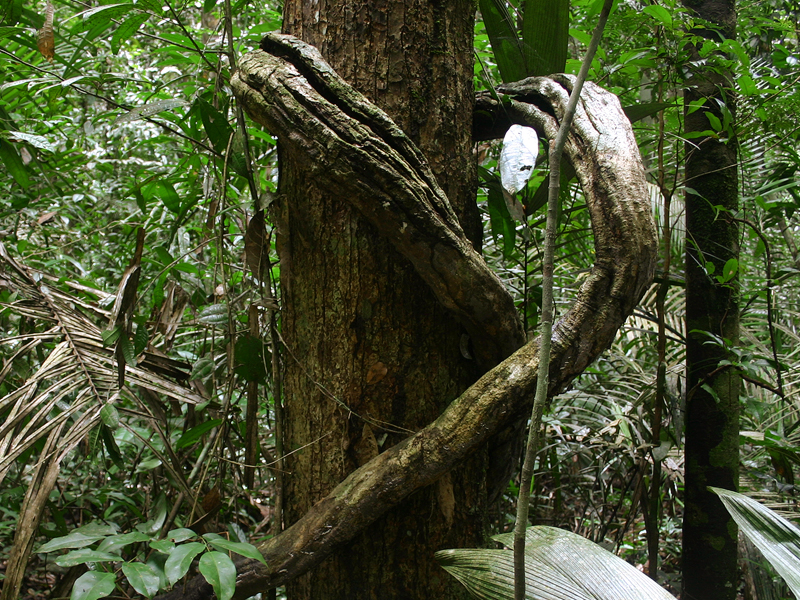
O workshop Objetos da Floresta de hoje aconteceu dentro da Floresta. Fomos à Reserva Ducke, ver o “museu vivo”: MUSA. Durante a trilha, os participantes observaram os diversos aspectos da floresta, percebendo possibilidades de design. A partir de elementos naturais encontrados no passeio de hoje, iremos amanhã criar protótipos e discutir as oportunidades que percebemos.

Veja a seguir:

1. Fragmentos de diferentes troncos de árvores, usados como vasos para  orquídeas;

2. O breu branco jorrando do caule, uma textura de resina com cheiro muito bom;

3. O “abraço da morte” de um cipó numa árvore, que no futuro será estrangulada por ele.

Gostou? Confira outros olhares fotográficos no nosso álbum no Facebook!


The workshop Objects of the forest today happened inside the forest. We went to the Reserva Ducke, to see the “live museum” MUSA. During the trail, the participants observed many aspects of the forest, noticing the design possibilities. Having as a starting point the natural elements found today, tomorrow we will create prototypes and discuss the possibilities we enview.

See above:

1. Fragments of different tree trunks used as “vases” for the orchides;

2. The “breu branco” (a white and fragrant resin) squeezing out of the tree, a kind of resin texture with a very good scent;

3. The “death hug” of a vine on a tree, which in the future will be strangled by it.

Liked it? Check out other photographs on our album on Facebook!